
Assessing Your Roof: Age and Lifespan
The age of your roof plays a crucial role in determining its need for replacement. Most roofs in the UK, depending on the material, are designed to last between 20 to 50 years. Asphalt shingles, commonly used, typically offer a lifespan at the lower end of this scale, while materials like slate can endure much longer. Assessing the historical data of your roof installation helps predict its remaining lifespan, providing a proactive approach to maintenance or replacement.
Deterioration can accelerate based on environmental conditions such as frequent storms, extreme temperatures, or high humidity, all common in various parts of the UK. Regular inspections can help identify the signs of ageing early, potentially extending your roof’s life through timely repairs. Understanding the typical lifespan of your roofing material and the impacts of local weather conditions can guide your decision on when to invest in a new roof.
A well-maintained roof not only ensures structural integrity but also enhances the property’s value. Considering the lifespan and the current age of your roof helps in planning financially for a replacement, ensuring that it can be managed without emergency financial stress. This forward-looking approach is beneficial for maintaining both the aesthetic and functional aspects of your home.
Visible Sagging: A Structural Warning
Visible sagging is a significant indicator that your roof may require immediate attention. This sagging typically suggests structural issues, possibly due to long-term water damage or an overloaded roofing system. In regions with heavy snowfall, the weight of the snow can exacerbate these problems, leading to potential safety risks for inhabitants.
Addressing visible sagging early can prevent more severe damage such as a complete roof collapse. It is advisable to hire a professional to assess the extent of the sag and determine the underlying causes. A structural engineer or a skilled roofing contractor can offer solutions that may extend the life of your roof or recommend a complete replacement if necessary.
The benefits of resolving issues related to sagging include improved safety and prevention of water intrusion, which can lead to further structural and interior damage. Ensuring your roof is structurally sound also maintains the home’s overall value and prevents higher repair costs in the future.
Spotting Shingle Damage and Decay
Shingle damage is often the most visible and common sign that a roof needs attention. Look for cracked, buckled, or missing shingles as indicators of decay. Extreme weather conditions, such as high winds and hail, can exacerbate shingle damage, compromising the roof’s ability to protect your home from the elements.
Replacing damaged shingles can sometimes be a feasible short-term solution. However, extensive or repeated damage might require a more comprehensive approach. Regular inspections can catch issues early, potentially saving homeowners from more costly repairs if problems are left unaddressed.
Investing in new shingles or a complete roof replacement not only enhances the appearance of your home but also increases its resistance to future weather-related damages. Modern roofing materials offer improved durability and energy efficiency, providing long-term benefits in terms of both protection and cost savings on energy bills.
Moss and Algae: Unwanted Roof Guests
Moss and algae growth on your roof is not just an aesthetic issue—it can also lead to serious damage over time. These organisms trap moisture against the roof surface, which can cause the roofing materials to rot or degrade, particularly in the damp UK climate. Furthermore, the roots of moss can lift shingles or tiles, creating further openings for water ingress.
While cleaning moss and algae can temporarily solve the problem, it’s often a sign of underlying issues such as improper drainage or excessive shade. Addressing these root causes can prevent future growth. Professional cleaning and preventative treatments can help maintain the structural integrity of the roof.
Keeping your roof free of moss and algae not only prolongs its lifespan but also maintains the property’s curb appeal. This can be particularly beneficial if you are considering selling your home, as the roof’s condition significantly influences potential buyers’ first impressions.
Significant Leakage: A Critical Indicator
Water stains on your ceilings or walls usually signal significant leakage and are a critical indicator that your roofing system may be failing. Ignoring these signs can lead to more extensive damage, including structural decay and mould growth, which are costly to repair and pose health risks.
It is essential to address leaks promptly by identifying their source and extent. Professional roofers can assess whether a repair will suffice or if a full replacement is necessary. Early intervention can prevent the damage from spreading and save significant repair costs down the line.
Securing a watertight roof not only protects your home from further damage but also enhances indoor air quality by preventing mould growth. Investing in prompt repairs or a new roof installation can safeguard your investment and provide peace of mind during adverse weather conditions.
Granules in the Gutter: What It Means
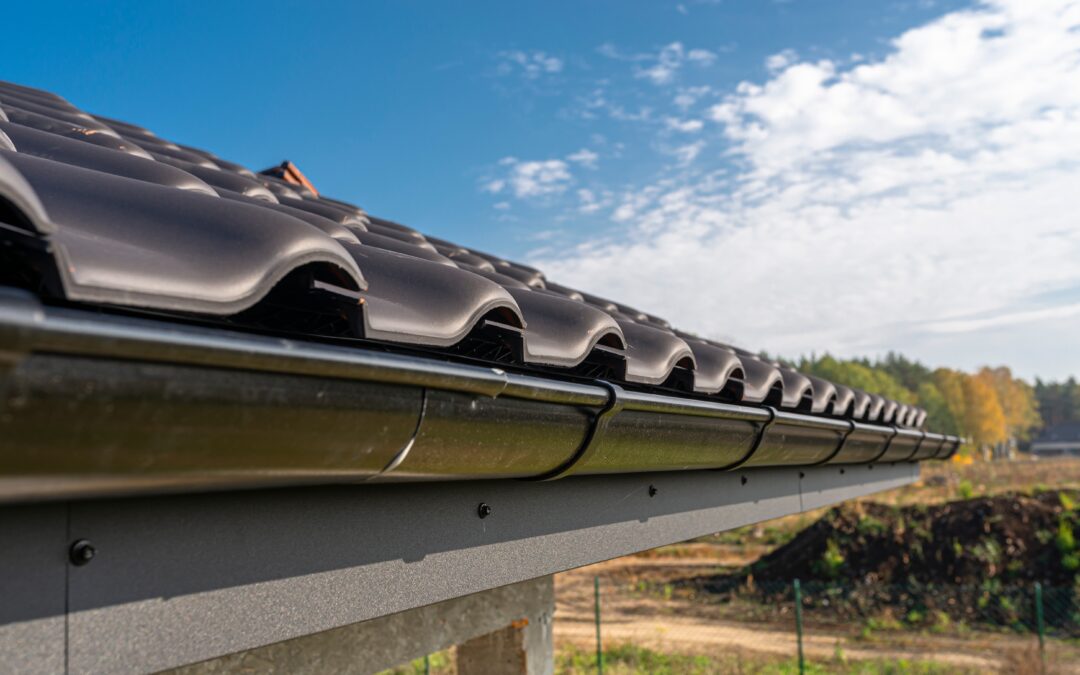
Finding granules in your gutters is common, especially after a new roof installation; however, continued loss of granules can indicate that your shingles are wearing out. These granules help protect the shingle material from UV rays and add fire resistance, so their degradation can significantly shorten the roof’s lifespan.
The accumulation of granules in the gutters should be monitored, especially after severe weather events. If this issue is observed consistently, it may be time to consider roof restoration or replacement to ensure that your home remains protected from the elements.
A new roof with intact granules will provide enhanced protection from the sun’s damaging effects and improve fire resistance. This not only ensures the longevity of your roof but also contributes to maintaining the overall safety of your home.
Daylight Through the Roof Boards
If you notice daylight coming through the roof boards in your attic, this is a clear sign that some aspects of your roofing system have failed. This could be due to broken or missing shingles, or wider gaps between roof boards which can compromise the roof’s structural integrity.
This issue should be addressed promptly to prevent outdoor elements from entering the home, which can lead to further damage such as insulation degradation and increased energy costs. A roofing professional can assess the extent of the damage and recommend the best course of action.
Rectifying this problem not only enhances the structural integrity of your home but also improves its insulation properties. This can lead to significant energy savings and provide a more comfortable living environment indoors.
Increased Energy Bills: A Subtle Hint
An unexpected increase in your energy bills could be a subtle hint that your roof is no longer performing effectively. Poor roofing insulation or ventilation can lead to heat loss during the winter and excessive heat during the summer, forcing your heating and cooling systems to work harder.
Enhancing your roof’s insulation and ventilation can significantly reduce your energy consumption. A professional roofer can assess whether improvements can be made to your current roof or if a replacement is more cost-effective in the long run.
Investing in a new, energy-efficient roof can reduce your home’s carbon footprint and save you money on energy bills. It also ensures a more consistent indoor temperature, enhancing comfort for all residents.