Understanding the Basics of Chimney Maintenance
Chimney maintenance is a crucial aspect of home upkeep that is often overlooked by homeowners. A well-maintained chimney ensures the efficient functioning of your heating system and significantly reduces the risks of fire hazards. Regular maintenance helps in the removal of soot, obstructions, and built-up creosote, which are common by-products of burning wood and coal. These substances can lead to chimney fires if they accumulate in large amounts. Therefore, understanding the basic requirements for chimney upkeep can save you from potential dangers and costly repairs.
The essence of chimney maintenance revolves around the inspection, cleaning, and repair of the flue lining, smoke chamber, damper, and chimney exterior. The integrity of these parts is vital for the safe operation of the fireplace or wood stove. Cracks or deterioration within the flue can lead to dangerous gases such as carbon monoxide leaking into your home. Therefore, regular checks are essential to ensure that all components are in excellent condition and operating safely.
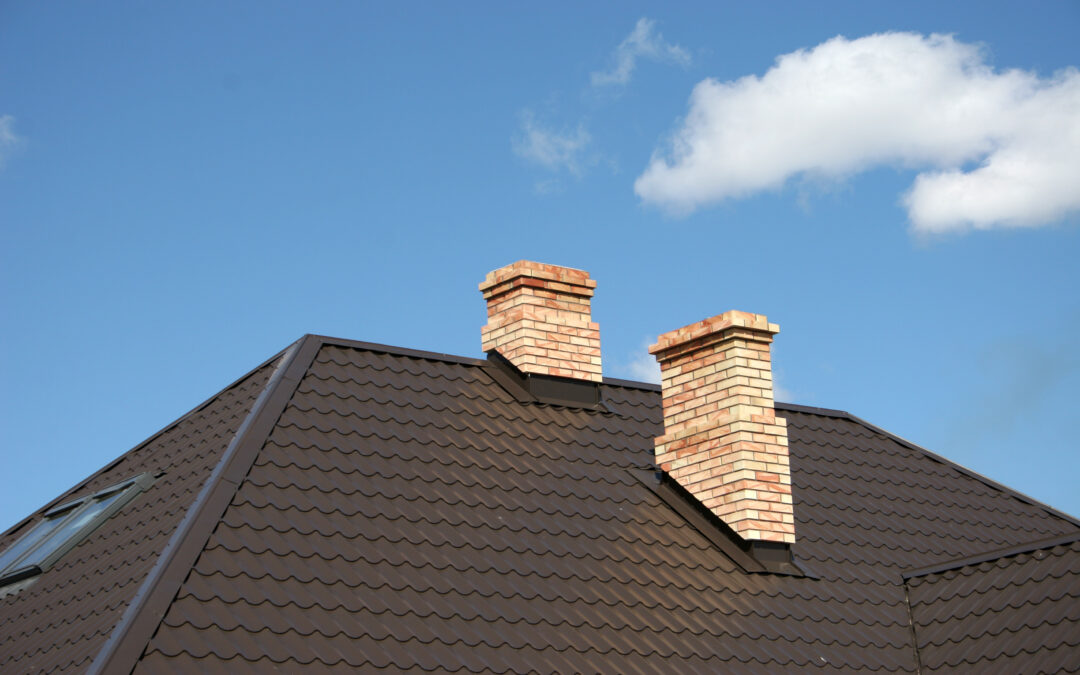
Moreover, effective chimney maintenance also involves evaluating the chimney cap and crown. These elements play critical roles in keeping out rain, snow, animals, and debris. A damaged or missing chimney cap can expose your chimney to external elements that can cause internal structural damage over time. Thus, maintaining these parts not only prolongs the life of your chimney but also enhances the overall safety and efficiency of your heating system.
Key Reasons to Prioritise Chimney Inspections
Chimney inspections are crucial for several reasons. First and foremost, they ensure safety by preventing chimney fires, which are primarily caused by the accumulation of combustible creosote. These inspections can identify and address such hazardous conditions before they result in a fire. Secondly, regular inspections allow for the early detection of structural issues or wear and tear that could compromise the overall stability and functionality of the chimney. This early detection is cost-effective over time, as it avoids extensive and expensive repairs later.
Another significant reason to prioritise chimney inspections is to ensure the efficient operation of your heating appliance. A blocked or damaged chimney can affect the performance of your fireplace, stove, or boiler, leading to higher fuel consumption and reduced heat output. This not only impacts your comfort but also increases your heating expenses. Regular inspections also ensure compliance with current building regulations and standards, which can be crucial for insurance purposes and in maintaining the value of your property.
Lastly, chimney inspections can help in protecting the environment. An efficiently functioning chimney reduces the amount of smoke and pollutants released into the atmosphere, thus contributing to better air quality. This is particularly important in areas where wood burning is a significant source of heating, as it minimizes the environmental impact of these activities.
How Often Should Your Chimney Be Inspected?
The frequency of chimney inspections largely depends on several factors including the type of appliance, the age of the chimney, the fuel used, and the usage patterns of the fireplace or stove. As a rule of thumb, it is advisable to have an annual inspection as recommended by fire safety authorities and insurance companies. This annual check-up is essential even if the chimney is not frequently used, as issues can arise even in dormant structures.
For chimneys connected to wood or coal-burning appliances, more frequent inspections may be necessary. These fuel types tend to produce more soot and creosote which can quickly build up to hazardous levels. In such cases, an inspection after every burning season, or even biannually might be required. For gas fireplaces, although they burn cleaners, an inspection is still recommended annually to check for venting issues or leaks that could be dangerous.
It’s also wise to schedule inspections after any major storm or seismic event, as structural damages could occur that need immediate addressing. Additionally, if you notice any unusual signs such as smoke entering the room, a strange odour, or a sudden change in fireplace performance, you should arrange for an inspection as soon as possible to resolve these issues.
Identifying Common Issues in Chimney Structures
During inspections, a range of common issues can be identified which, if not addressed, could lead to serious consequences. One of the most frequent problems encountered is the build-up of creosote, a highly flammable substance that can ignite under high temperatures, leading to chimney fires. Blockages caused by bird nests, leaves, and other debris are also common and can obstruct the airflow, leading to inefficient burning and even carbon monoxide accumulation.
Structural issues such as cracks or deterioration of the flue lining are particularly concerning as they can allow harmful gases to seep into living areas. A compromised flue lining can also reduce the efficiency of the draft which is essential for the safe and effective operation of the fireplace or stove. Additionally, issues with the chimney crown and cap can lead to water ingress, which causes further deterioration to the chimney structure and potentially to the home’s interior.
Regular inspections also often reveal less obvious defects such as damaged mortar joints, rusted dampers, flue liners, or misaligned chimney stacks. These issues, while seemingly minor, can quickly escalate into major problems if not corrected promptly. Hence, identifying and addressing these issues early through professional inspections is paramount to maintaining a safe and efficient chimney system.
The Role of a Professional Chimney Sweep
A professional chimney sweep plays a critical role in the maintenance and safety of chimney systems. Not only do they perform the essential task of cleaning chimneys, and removing soot, creosote, and blockages, but they are also trained to conduct thorough inspections to spot any potential issues with the chimney structure or venting system. Their expertise and specialized tools allow them to effectively assess the condition of a chimney and recommend appropriate measures to address any concerns.
Furthermore, professional sweeps are knowledgeable about the latest safety standards and building regulations related to chimney construction and maintenance. This expertise ensures that any maintenance or repairs carried out are up to current standards, providing peace of mind to homeowners. In many cases, a professional chimney sweep can provide a certification of inspection, which can be useful for insurance claims and when selling a property.
Engaging a professional chimney sweep regularly is beneficial not just for maintaining safety but also for enhancing the efficiency of your heating system. They can offer advice on the best practices for operating your fireplace or stove and suggest improvements to increase heating efficiency and reduce fuel consumption. Thus, their role is indispensable in the ongoing upkeep of any property’s chimney system.
Preventing Fire Hazards with Regular Checks
One of the primary benefits of regular chimney inspections is the prevention of fire hazards. Creosote accumulation, one of the leading causes of chimney fires, can be effectively managed through routine checks and cleaning. By ensuring that the chimney is free of such flammable residues, the risk of fire is significantly reduced. Additionally, inspections can uncover any structural vulnerabilities that could lead to high temperatures or sparks escaping into vulnerable areas of the home.
Beyond just cleaning, chimney inspections also involve checking for proper ventilation and airflow, which are essential for safe and efficient operation. Poor ventilation can lead to overheating and increase the risk of fire. Regular inspections ensure that the airflow is unobstructed and that any potential risks are mitigated. This proactive approach not only safeguards the home but also ensures that the heating system operates at optimal efficiency.
Moreover, the peace of mind that comes from knowing your chimney is in good condition and not a fire risk cannot be overstated. This reassurance allows homeowners to enjoy their fireplaces and stoves without the underlying worry of potential dangers, making the modest investment in regular chimney checks well worth it.
Impact of Neglected Chimneys on Home Safety
Neglecting chimney maintenance can have dire consequences for home safety. Without regular inspections and cleaning, chimneys can become fire hazards due to the accumulation of combustible materials like creosote. This neglect can also lead to deteriorating chimney structures that compromise the integrity of the home, potentially leading to costly structural repairs. Moreover, blocked or damaged chimneys can result in the buildup of carbon monoxide, an odourless, colourless gas that poses serious health risks to residents.
The implications of a neglected chimney extend beyond the immediate risks of fire and gas leaks. Water ingress through damaged chimneys can cause significant damage to the interior structures of the home, including ceilings and walls. This not only affects the property’s value but also leads to further financial burdens due to water damage repairs. In addition, insurance companies may not cover damages related to chimney fires or other associated problems if they stem from poor maintenance, leading to further financial and legal complications.
Therefore, it is crucial to understand that a well-maintained chimney is not just a functional requirement but a critical component of home safety. Regular inspections and maintenance prevent the myriad of risks associated with neglected chimneys, ensuring a safe and comfortable living environment. Investing in the upkeep of your chimney is investing in the safety and security of your home.
Steps to Take Following a Chimney Inspection
After a professional chimney inspection, it is important to review the inspector’s report and follow up on any recommendations. If issues such as blockages, creosote buildup, or structural damages are identified, scheduling prompt repairs or cleaning is crucial. This not only mitigates immediate safety risks but also enhances the longevity and performance of your chimney system.
In instances where major repairs are needed, it is advisable to obtain quotes from several contractors to ensure that you are receiving the best service at a competitive price. Ensure that any contractor you hire is certified and has a good reputation for quality workmanship in chimney repairs. It