Identifying Common Roof Wear and Tear Signs
The roof of your home constantly faces the onslaught of the UK’s variable weather, which can lead to various signs of wear and tear. It’s crucial to identify these early to prevent costly repairs later on. Common indicators include cracked, curled, or missing shingles which suggest that your roof materials are near the end of their lifespan. Regular inspections can help spot these issues, allowing for timely interventions.
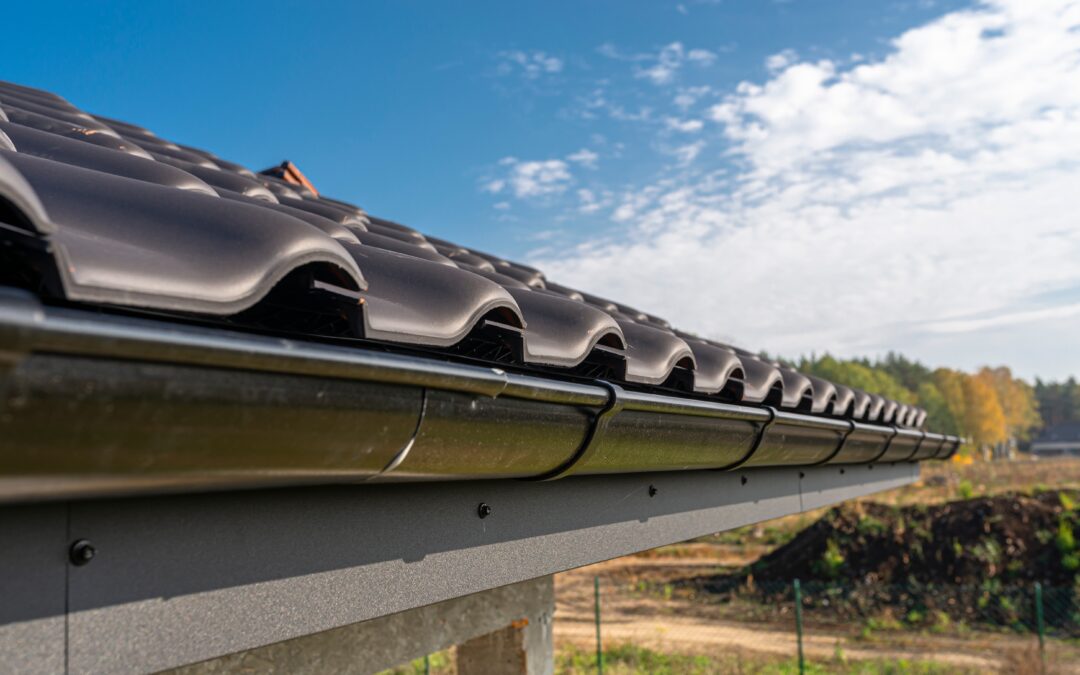
Another sign to watch for is an accumulation of granules in your gutters. These granules come from the surface of roof tiles, and their excessive presence indicates that your tiles are weathering rapidly. If this wear is spotted early, it allows for the replacement of affected tiles before more extensive damage occurs to the underlay or roof structure.
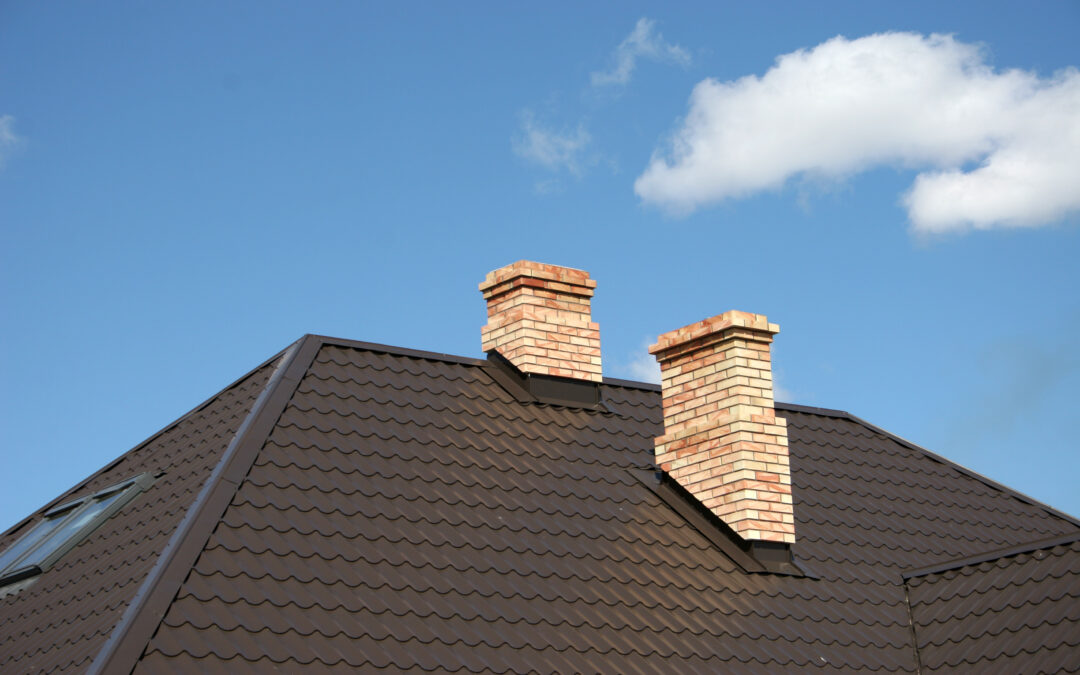
Lastly, look out for signs of ageing roof sealant and caulk around roof penetrations, including vent pipes and chimneys. If these materials break down, they can allow water to enter, causing damage to internal structures. Regular maintenance and early replacement of these materials can preserve the longevity of your roof and prevent internal water damage.
Crucial Indicators of Missing or Broken Tiles
Missing or broken tiles are a clear signal that your roof may be compromised. Tiles can be dislodged by strong winds or degrade over time due to fluctuating temperatures and moisture, common in the UK. It’s essential to replace missing or damaged tiles promptly to prevent the underlay and roof structure from exposure to the elements, leading to more severe issues like leaks or structural weakening.
Visual inspections from the ground can occasionally reveal these problems, but a closer examination by climbing up a ladder or using binoculars might be necessary to catch less obvious damage. Look specifically for tiles that might have slipped or those that show cracking or breakage. Regular checks, especially after severe weather, can prevent small issues from becoming major headaches.
Additionally, the presence of missing or broken tiles can also impact your home’s insulation and energy efficiency. Replacing these tiles not only preserves the integrity of the roof but also maintains the property’s thermal performance, ensuring that heating costs do not escalate unnecessarily during colder months.
Visible Sagging: A Clear Call for Action
Visible sagging in your roof is a significant indicator that immediate repairs are needed. Sagging can occur due to long-term weight stress, water retention in the roofing materials, or structural damage. This deformation is not only an aesthetic issue but also a potential safety hazard, as it can lead to roof collapse if not addressed promptly.
Inspecting the roofline from the exterior of the house can help identify any sagging sections. It’s also advisable to check the attic or upper crawl spaces to see if the roof deck itself is bowing downwards. If you detect sagging, it is crucial to contact a professional roofing contractor who can assess the extent of the damage and recommend the necessary repairs or replacements.
Addressing sagging roofs not only ensures the safety of the inhabitants but also enhances the structural integrity and longevity of the property. Early intervention prevents further damage and can significantly reduce repair costs in the long run.
Sunlight Through Your Loft: Not a Good Sign
If you can see streams of sunlight coming into your loft, this is a definitive sign that your roof has vulnerabilities that need addressing. These light spots are indicators of gaps or holes in the roofing material, which can lead to water ingress and compromise the insulation properties of your home.
Inspecting the interior of your loft during daylight can help identify these breaches. Once detected, it’s essential to determine the extent of the damage. Small punctures might be repairable, but larger gaps may require partial or complete replacement of the affected roofing sections.
Ensuring that these gaps are sealed not only prevents water damage but also maintains the energy efficiency of your home by keeping heat from escaping. This can lead to significant savings on heating bills, particularly during the colder months.
Inspecting for Moss and Algae Overgrowth
Moss and algae growth on your roof isn’t just an aesthetic issue; it can be indicative of moisture retention in the roof materials, which can degrade tiles and lead to leaks. In the damp UK climate, these organisms can thrive, especially on north-facing roofs that receive limited sunlight.
Regularly cleaning your roof to remove moss and algae can prevent this build-up and extend the life of your roof materials. While it’s possible to remove these growths yourself, for extensive overgrowth, it might be wise to hire a professional who can carry out the job safely and effectively.
Preventing moss and algae build-up keeps the roofing tiles in optimal condition, ensuring they can effectively protect your home from the elements. Additionally, it preserves the attractiveness of your home’s exterior, potentially enhancing property value.
Water Stains on Ceilings: A Silent Alert
Water stains on your ceiling are often a subtle indicator that there’s a leak in your roof. These stains can appear as dark, damp spots that gradually grow larger if the leak persists. Ignoring these signs can lead to more significant damage, including mould growth, which poses health risks and further structural damage.
It is essential to inspect the attic or the space above the stained ceiling for signs of water damage or leaks. Early detection and repair of the leak source, typically around chimney seals, vent flashings, or broken tiles, can prevent extensive repairs later. This proactive approach not only saves on repair costs but also protects the indoor air quality of your home.
Addressing leaks promptly also prevents them from spreading to other areas, thereby maintaining the structural integrity of your home and preventing potential decreases in property value due to water damage.
The Importance of Checking Flashing Integrity
Flashings are critical components of your roof, designed to create water-tight barriers around projections such as chimneys, dormers, and vent pipes. Over time, these can become loose, corroded, or cracked, leading to leaks and significant damage to the roof structure and interior of your home.
Checking the integrity of flashings involves looking for signs of wear and tear such as rusting, lifting, or separation from the roof surface. Early detection and replacement of damaged flashings can prevent water from seeping into the roof substrate and the associated costly repairs.
Ensuring that flashings are intact and performing effectively not only preserves the health of your roof but also enhances the overall waterproofing and weather resistance of your home, contributing to a safer living environment and peace of mind during adverse weather conditions.
Increased Energy Bills: A Hidden Clue
An unexpected increase in your energy bills might be telling you more about the state of your roof than you realise. Inadequate roof insulation or gaps in the roof can lead to heat loss, particularly during the winter months, forcing your heating system to work harder and increasing your energy consumption.
Conducting an energy audit or having a professional inspect your roof can help identify areas where heat is escaping. Solutions might involve repairing the roof, adding additional insulation, or sealing gaps. Taking these steps not only reduces your energy bills but also contributes to the environmental sustainability of your home by reducing your carbon footprint.
Overall, tackling these issues not only ensures the thermal efficiency of your home but also enhances comfort levels. It’s a proactive step that pays dividends in both the short and long term, making it a wise investment for any homeowner.
By regularly checking these vital signs and addressing issues early, you can ensure that your roof remains in excellent condition, safeguarding your home and your finances.